Simple LED Lighting Upgrades
That Make a Big Difference
Great lighting design doesn’t always require a major renovation or extensive architectural changes. Sometimes, small improvements to an existing lighting system can dramatically transform the appearance, functionality, and atmosphere of a space.
LED tape lighting offers architects, designers, and contractors a versatile way to introduce new layers of illumination while enhancing existing architectural features. From under-cabinet lighting to illuminated ceilings and stairways, a few strategic upgrades can improve both the visual appeal and everyday functionality of an environment. Here are five LED lighting upgrades that deliver noticeable results without requiring a complete redesign.
Upgrade Exposed LED Strips with Aluminum Extrusions
LED tape installed directly onto a surface can produce visible LED points, uneven illumination, and unwanted glare. These imperfections are particularly noticeable on reflective surfaces, ceilings, and architectural details where lighting uniformity is essential.
Integrating LED tape into an aluminum extrusion with a diffuser lens creates a cleaner, more professional appearance. The channel provides a dedicated housing for the strip, supports heat management, and protects the installation, while the diffuser softens the light output and reduces visible LED points.
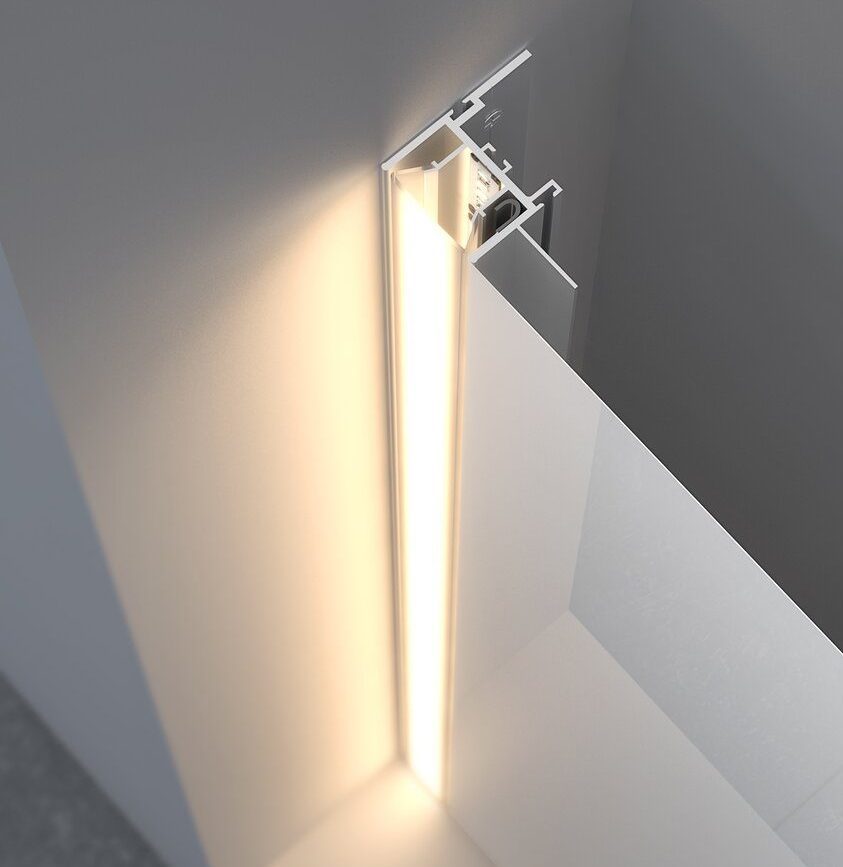
KLUS aluminum profiles are available in recessed, surface-mounted, and corner configurations, offering flexibility for different architectural applications. This is one of the simplest ways to improve an existing LED installation. Replacing an exposed strip with a properly specified extrusion and diffuser can significantly enhance the finished appearance without necessarily changing the existing lighting layout.
Add Under-Cabinet Lighting for Improved Functionality
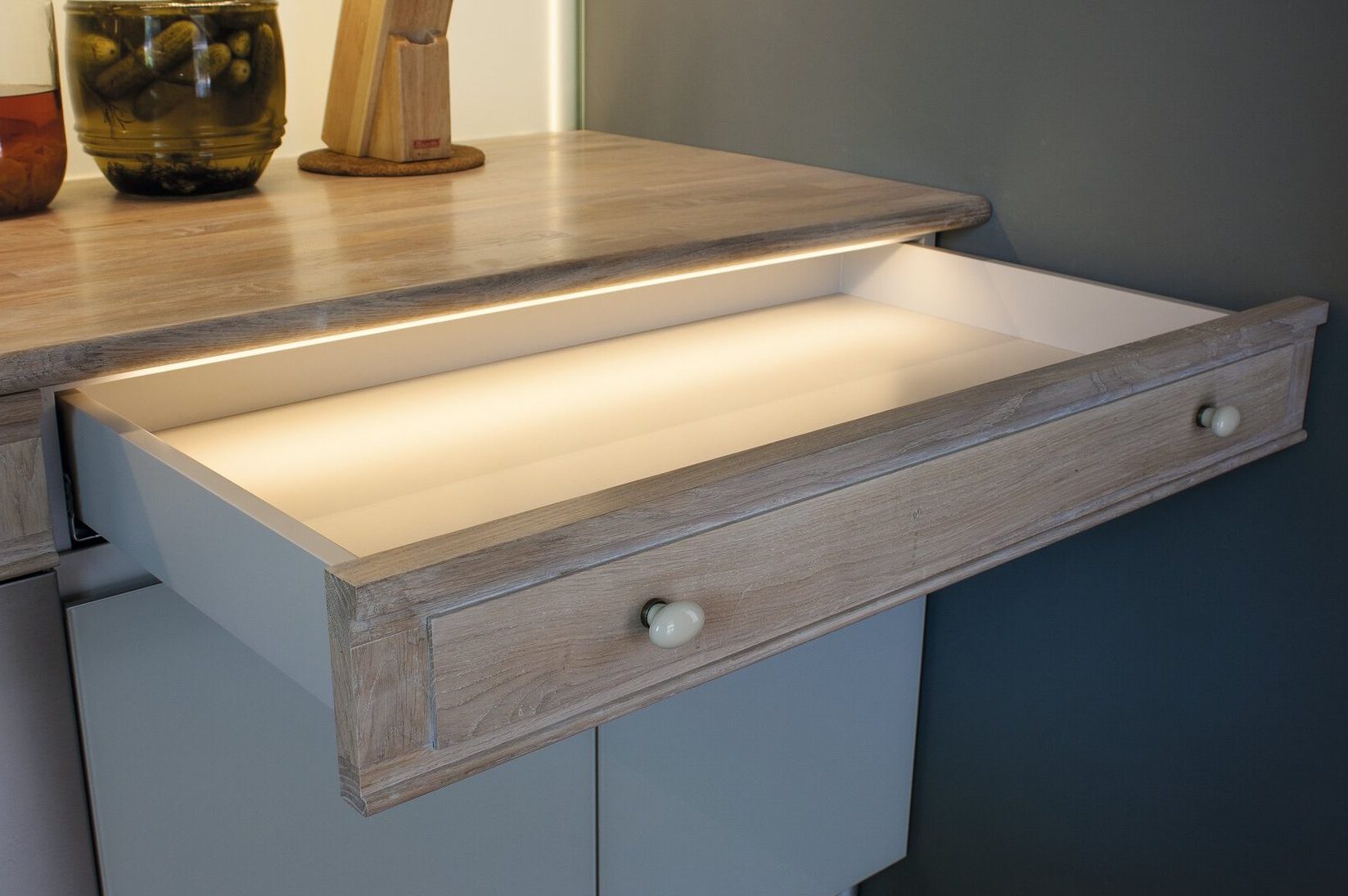
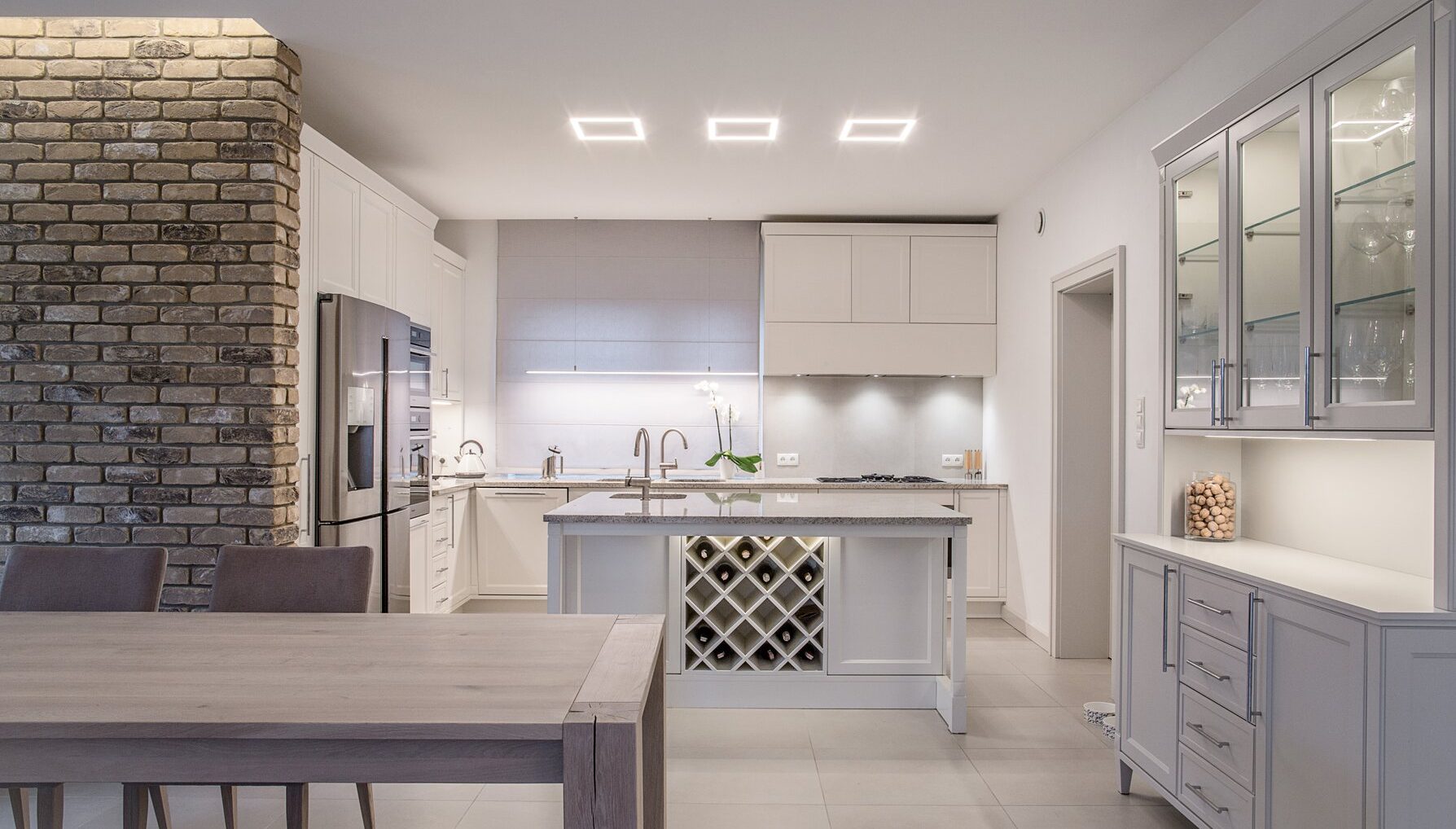
Under-cabinet lighting is one of the most effective upgrades for residential kitchens, commercial workspaces, and hospitality environments. By positioning LED tape beneath upper cabinets, designers can introduce dedicated task lighting exactly where it is needed. Unlike overhead fixtures, which can create shadows across countertops, under-cabinet lighting provides direct illumination for food preparation, work surfaces, and displays.
For the best results, consider LED sources with a CRI of 90 or higher to accurately render the colors of countertops, cabinetry, and surrounding materials. Color temperature should also complement the intended environment. Warm white (2700K–3000K) creates a comfortable residential atmosphere, while neutral white (3500K–4000K) provides a cleaner appearance for commercial and task-oriented applications.
Installing LED tape within a low-profile aluminum extrusion creates a seamless lighting detail while helping conceal the source from direct view.
Transform Ceilings with Cove Lighting
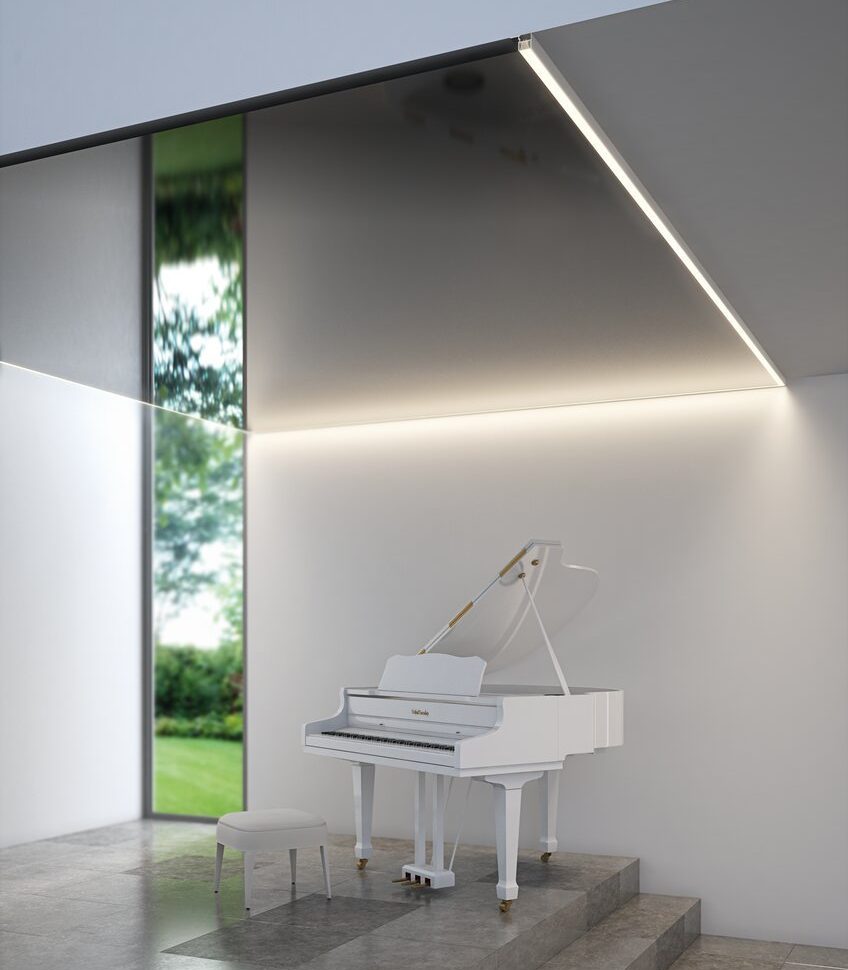
Cove lighting is an effective way to introduce indirect illumination and add architectural depth to an interior. By concealing LED tape within a recessed ceiling detail or perimeter soffit, light can be directed upward to create a soft, even wash across the ceiling.
This approach adds another layer to the lighting design, reducing the reliance on direct illumination while creating a more inviting atmosphere. Cove lighting works particularly well in residential living areas, hotel lobbies, restaurants, and commercial interiors. It can also emphasize ceiling details and make architectural transitions more visually interesting.
Proper positioning is essential. The LED strip should remain concealed from typical viewing angles, while sufficient distance between the source and ceiling allows the light to distribute evenly. An aluminum extrusion with an appropriate diffuser helps create a refined, continuous appearance.
Planning for driver placement, wiring, and access before construction is complete also helps ensure a clean and serviceable installation.
Incorporate LED Lighting into Stairways and Architectural Details
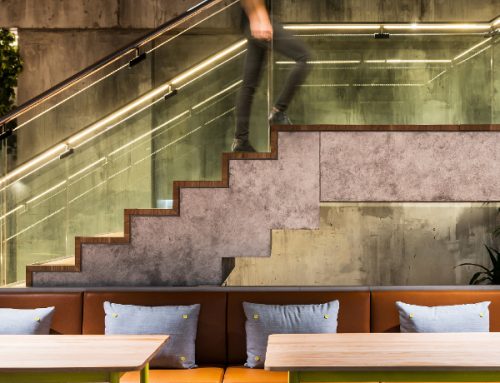
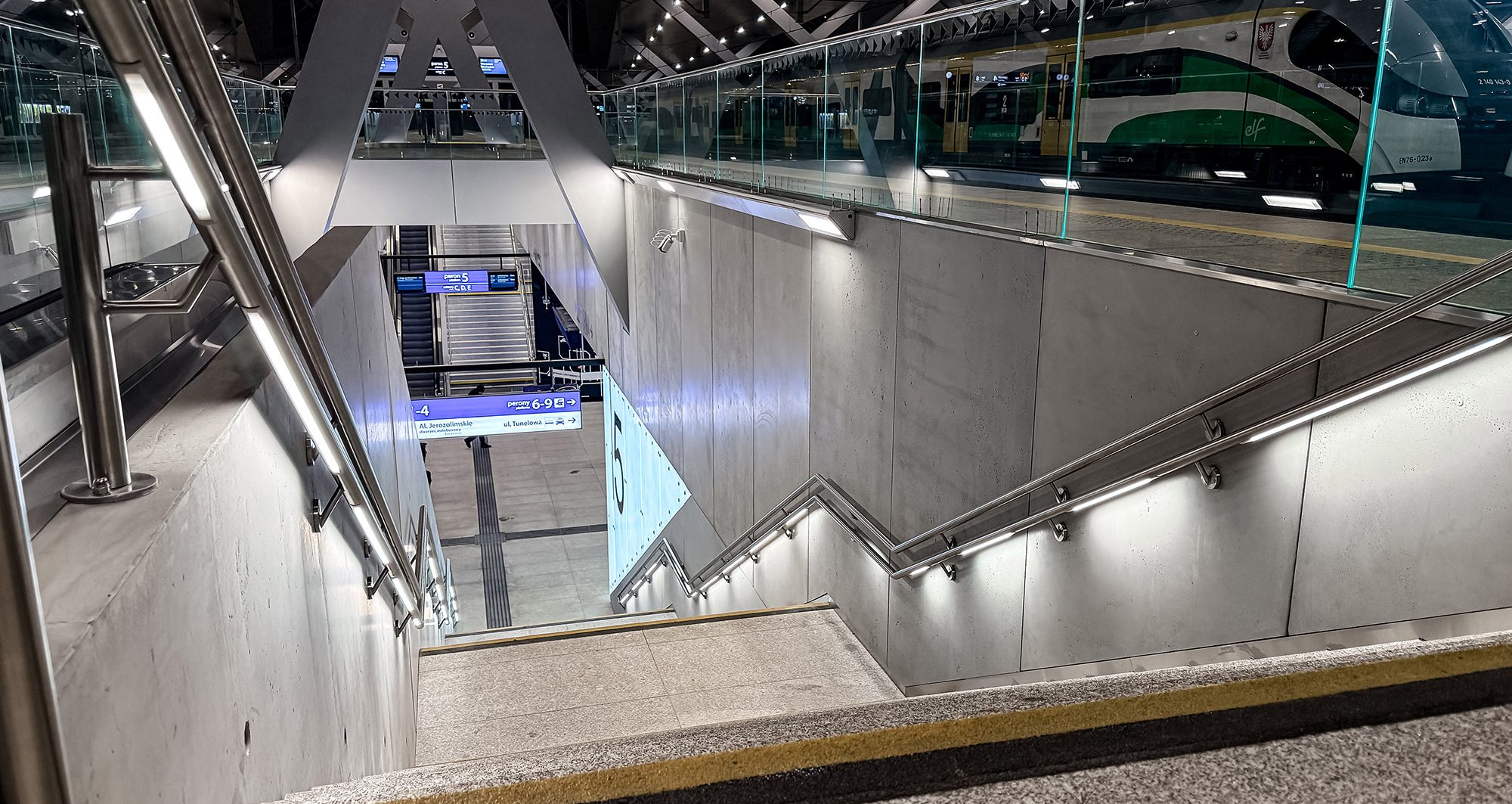
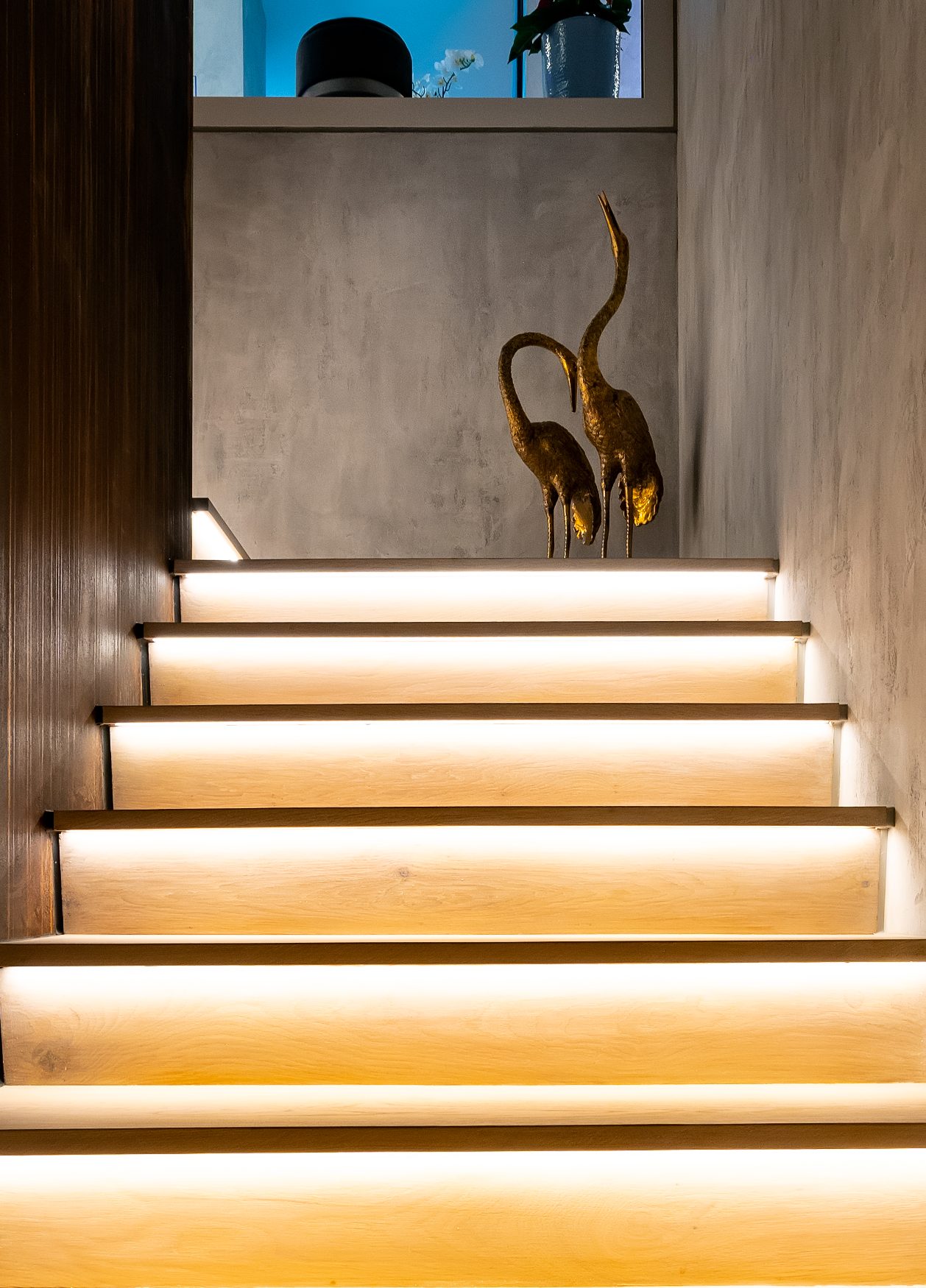
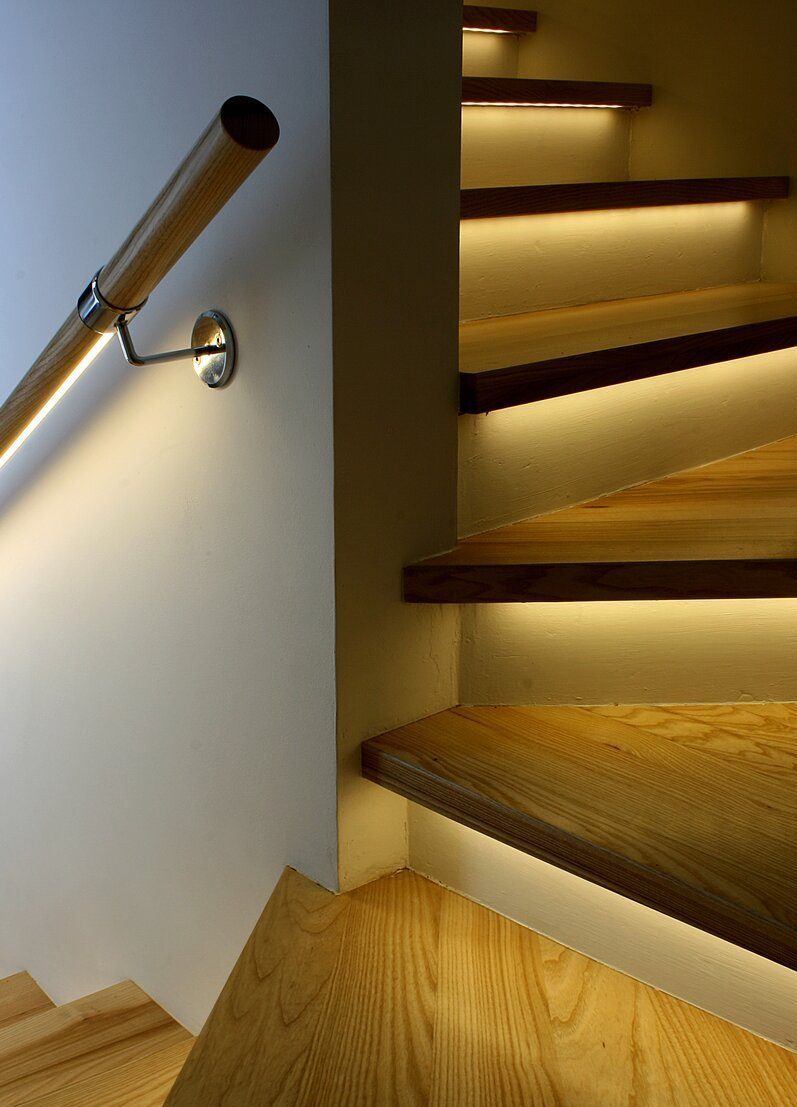
Staircase lighting combines functional illumination with an opportunity to introduce distinctive architectural details. Concealed LED tape installed beneath stair nosings, along stringers, or within recessed wall channels creates subtle illumination that defines each step.
The goal is to provide enough light for visibility and wayfinding without introducing glare or excessive brightness.
Low-profile aluminum extrusions are particularly useful in these applications because they can be integrated into stair components while protecting the LED tape and maintaining a clean finish. This approach also extends to hallways, transitions, and other architectural features where discreet illumination can improve navigation and visual continuity.
For exterior installations, LED tape, connectors, and associated components should have appropriate protection for the actual moisture and environmental exposure conditions.
Select the Right Color Temperature for Every Environment
Color temperature plays an important role in how people experience a space. Even when illumination levels are adequate, an incorrectly selected color temperature can make an environment feel uncomfortable or visually inconsistent.
Measured in Kelvin (K), correlated color temperature (CCT) influences whether light appears warm or cool.
- 2700K–3000K: Warm illumination suited to residential interiors, bedrooms, restaurants, and hospitality environments.
- 3500K–4000K: Neutral white light appropriate for kitchens, offices, retail spaces, and general commercial applications.
- 4000K–5000K: Cooler white illumination often used in task-oriented and specialized commercial environments.
Consistency is equally important. When multiple LED strips and fixtures are installed within the same space, matching their color temperatures helps maintain a cohesive lighting appearance. For environments that require flexibility, tunable white LED systems allow users to adjust the color temperature throughout the day. This provides greater control over the atmosphere and functionality of a space without changing the lighting installation.
Make Better Lighting Part of Every Project
Small lighting upgrades can have a significant impact on the overall quality of an interior. Whether improving an exposed LED installation, adding task lighting beneath cabinets, introducing indirect ceiling illumination, or highlighting architectural details, the right LED solution can enhance both aesthetics and functionality.
Successful installations depend on selecting compatible LED tape, aluminum extrusions, diffusers, drivers, and lighting controls. Considering these components together during the design and specification process helps ensure consistent illumination, reliable performance, and a professional finished appearance.
KLUS provides architectural LED lighting solutions designed to help lighting professionals integrate illumination into residential, commercial, and hospitality environments. With a versatile range of aluminum extrusion profiles and LED lighting components, designers and installers have the flexibility to create clean, functional, and visually compelling lighting details.
Sometimes, the smallest lighting improvements make the biggest difference.