How to Use KLUS LED Tape Lighting
For Hidden Illumination and Maximum Visual Impact
The most effective lighting designs don’t always put the fixture on display. Sometimes, the greatest visual impact comes from lighting you barely see. A ceiling appears to glow from within, cabinetry seems to float above the floor, and architectural surfaces reveal their textures through carefully placed illumination.
KLUS LED Tape Lighting makes these effects possible by integrating light into architectural details, furniture, and interior finishes. When strategically concealed, LED strips create clean lines of illumination that enhance a space without adding visual clutter.
From recessed ceiling details to illuminated shelving and floating furniture, hidden LED tape lighting offers countless ways to transform an environment. The key is knowing where to position the light and how to conceal the source.
Architectural Details: Integrating LED Tape into Ceilings and Walls
Ceilings and walls offer excellent opportunities for concealed LED lighting. Incorporating LED tape into recessed channels, coves, and architectural reveals creates soft, indirect illumination that adds depth and dimension.
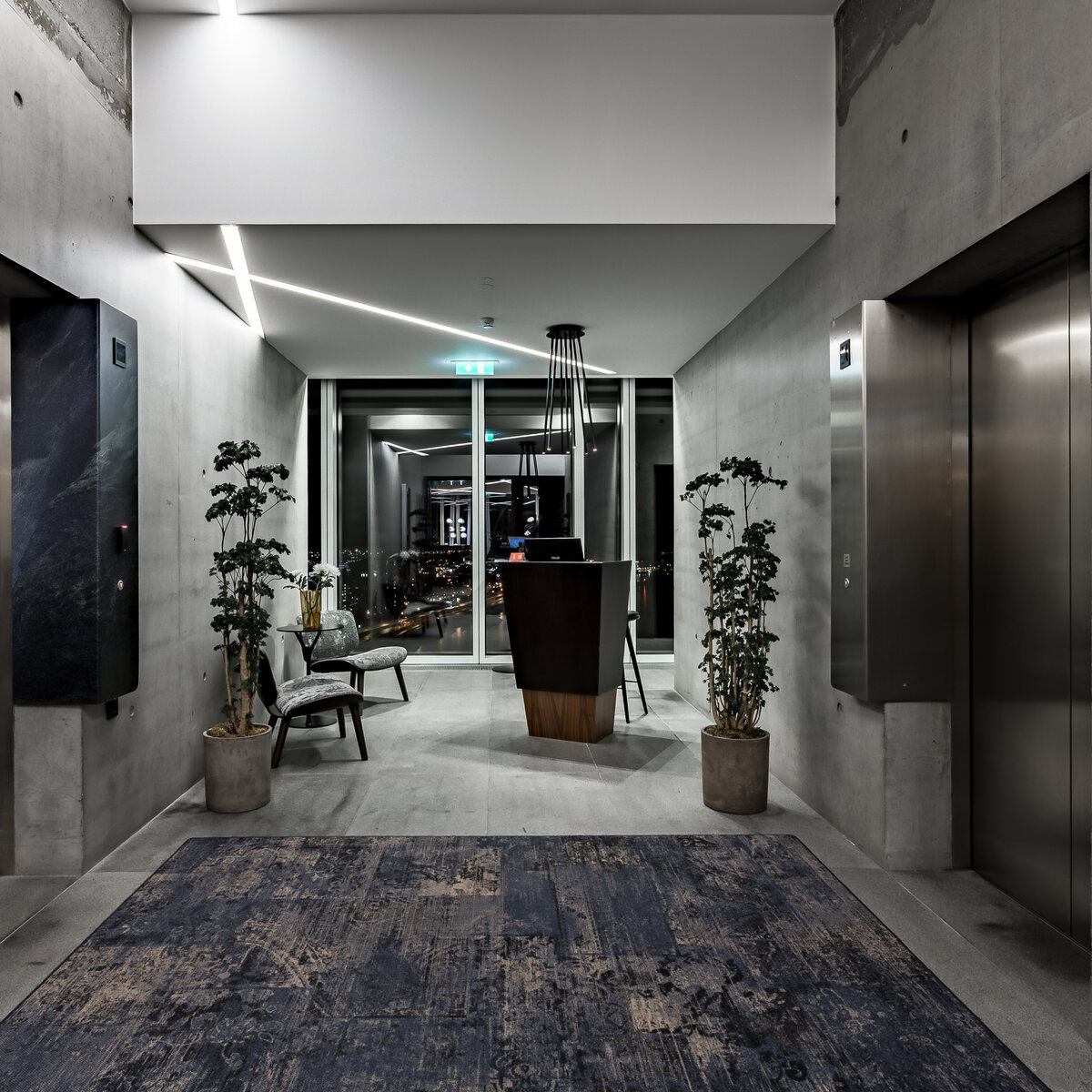
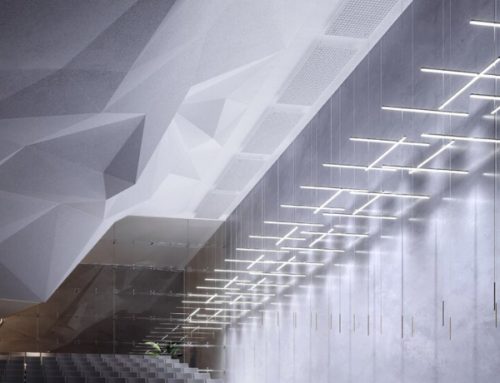
Cove lighting: Installing LED tape inside ceiling coves directs light upward, allowing the ceiling to become the illuminated surface. The result is a soft glow that makes a room feel more open while providing ambient illumination.
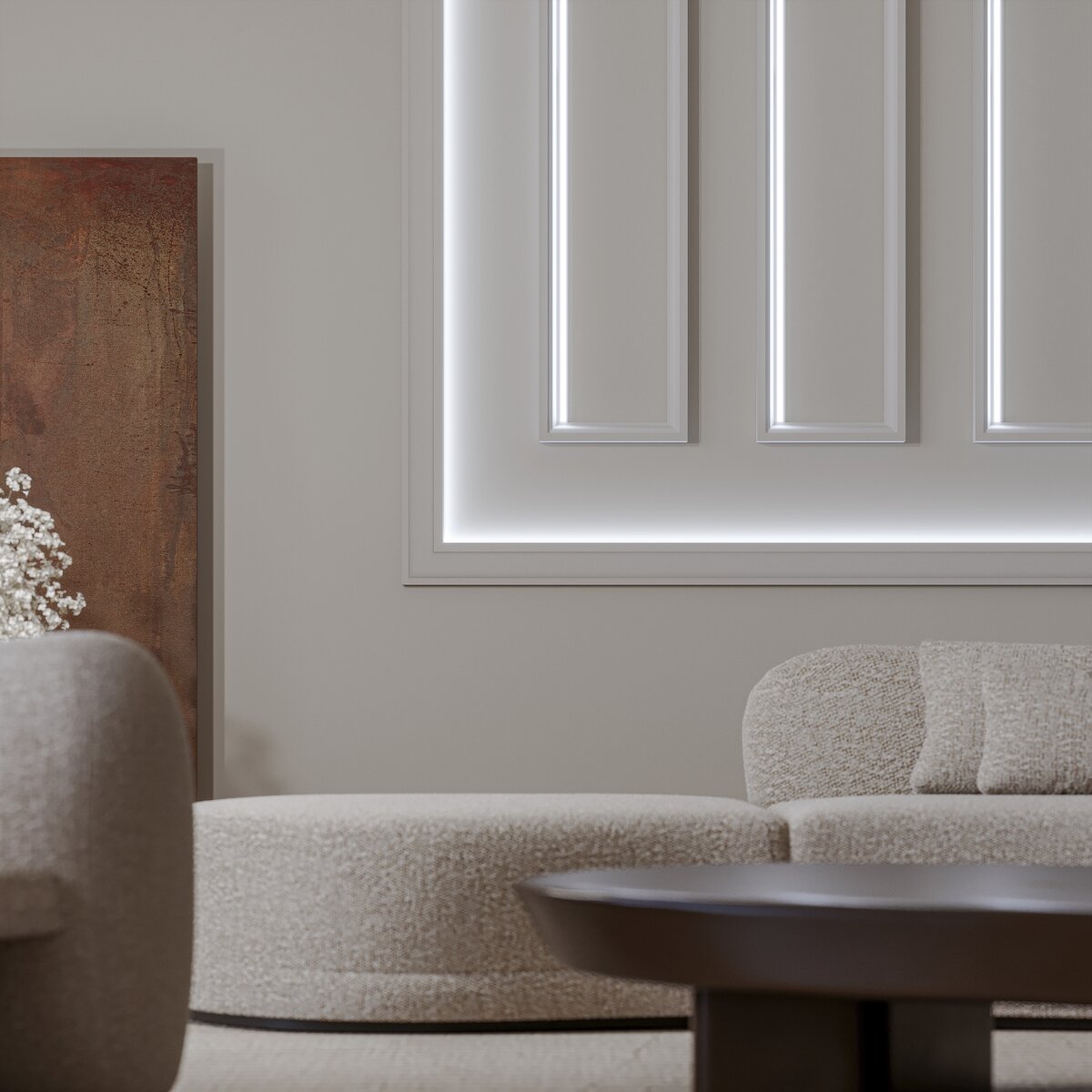
Recessed wall reveals: Narrow recesses between wall panels, ceiling transitions, and architectural elements create opportunities for subtle lines of light. LED tape installed inside an aluminum extrusion provides a refined detail without exposing the light source.
Floating ceiling effects: LED strips concealed above suspended ceiling elements or perimeter soffits create the illusion of a floating ceiling, adding separation and visual depth.
Aluminum extrusions provide housing for LED tape, support heat management, and create a finished installation. Diffuser lenses help soften the output and minimize visible LED points.
Floating Effects: Underlighting Furniture, Cabinets, and Countertops
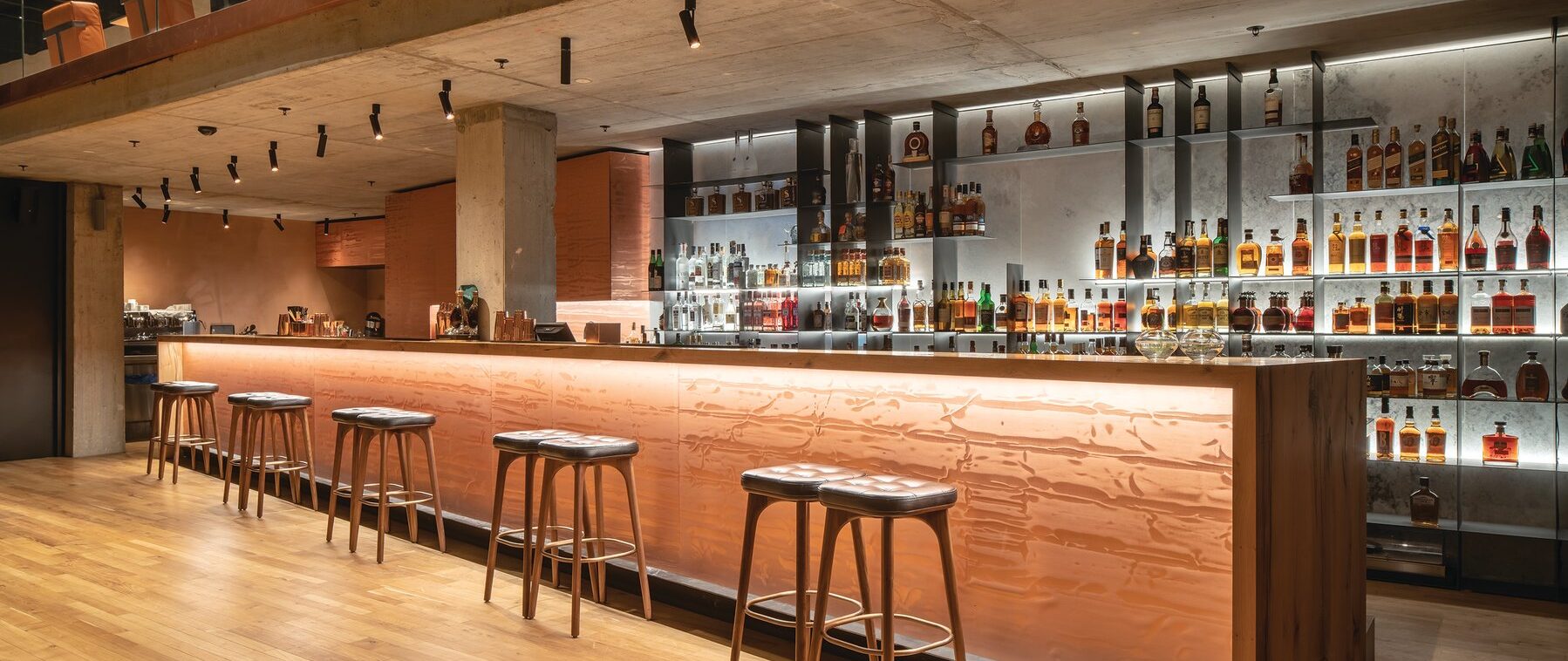
Hidden LED tape lighting can transform ordinary furniture and cabinetry into architectural features. Concealing the light beneath an object creates the impression that it is suspended above the floor.
Under-cabinet lighting: Installing LED tape beneath kitchen cabinets provides functional countertop illumination while maintaining a clean appearance. Recessed aluminum channels help integrate the lighting seamlessly.
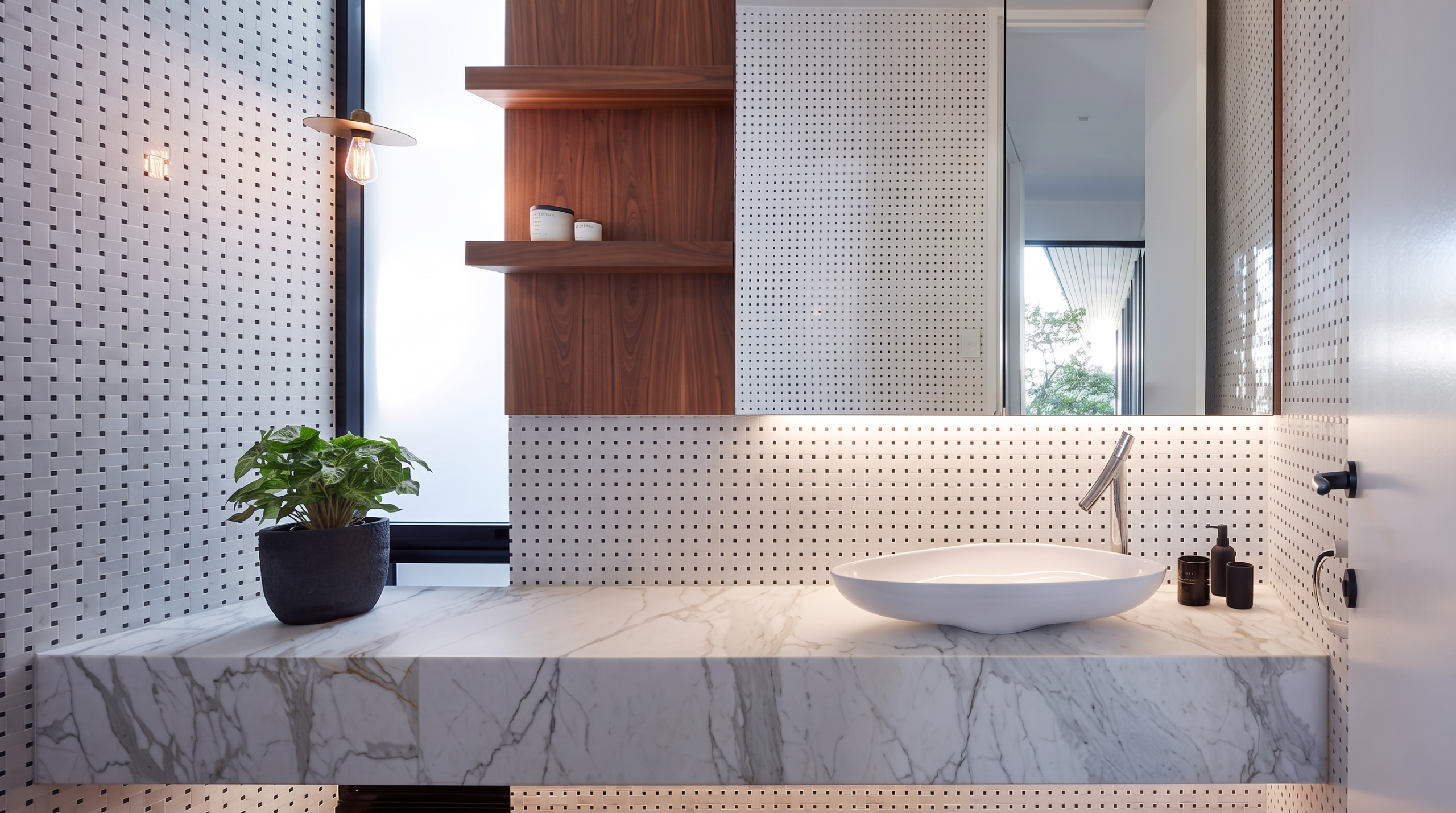
Toe-kick illumination: LED tape installed along the base of kitchen cabinets, bathroom vanities, and built-in storage creates a soft floor wash while adding depth to the cabinetry.
Floating furniture: Positioning LED strips beneath vanities, media consoles, floating shelves, and reception desks creates a distinctive floating effect by visually separating furniture from the surrounding architecture.
Kitchen islands: Concealed LED tape beneath countertop overhangs or cabinet fascias highlights material finishes and introduces another layer of illumination. Strip placement determines the final effect. Positioning the light toward the back creates a subtle glow, while moving it forward produces a broader wash of light.
Accent Lighting: Highlighting Materials and Architectural Features
LED tape lighting is an effective way to highlight the materials and details that make a space unique. Strategically concealed strips draw attention to architectural features without illuminating an entire room.
Illuminated shelving: Concealing LED tape within shelving profiles or behind shelf edges creates continuous lines of light that highlight artwork, decorative accessories, and displayed objects.
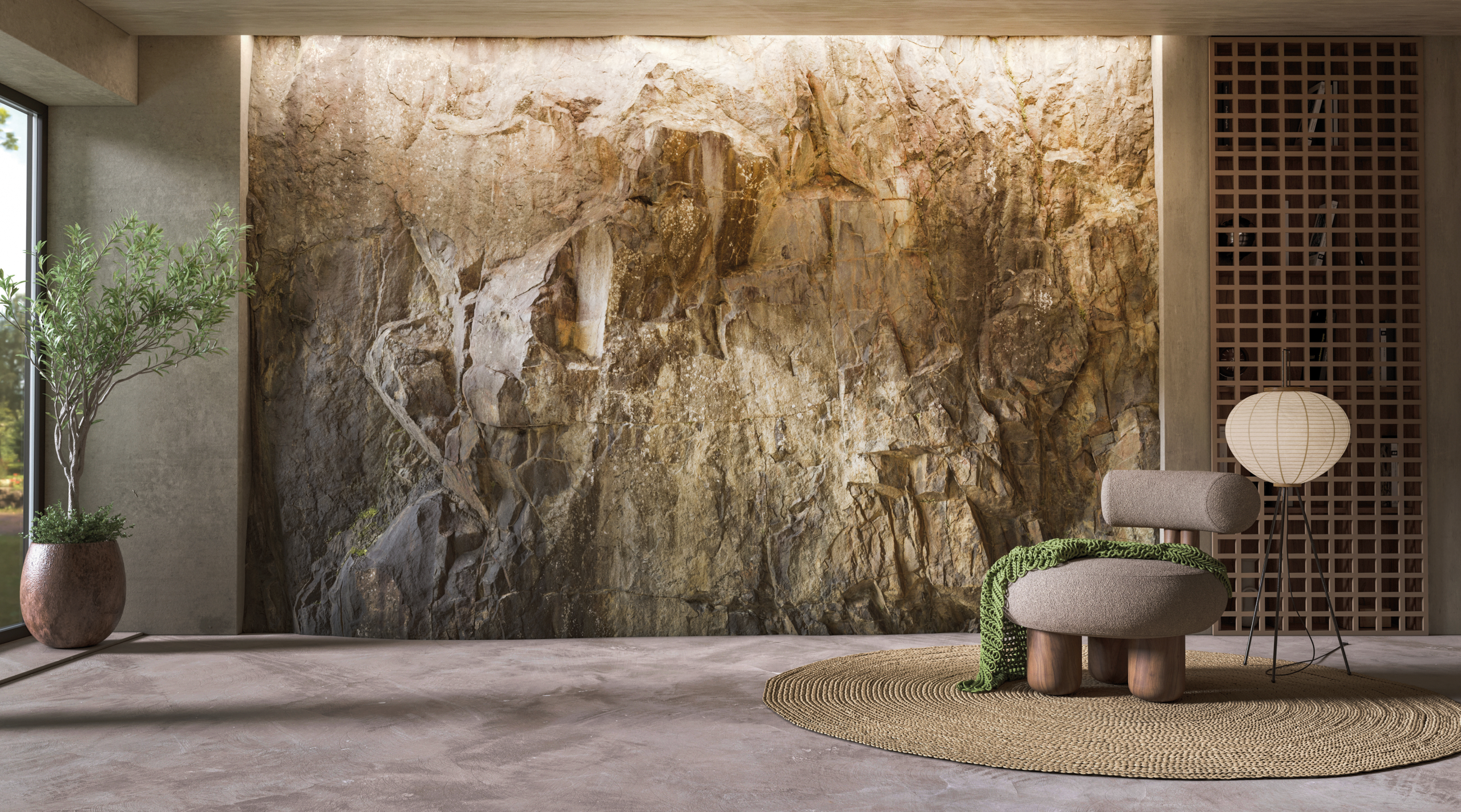
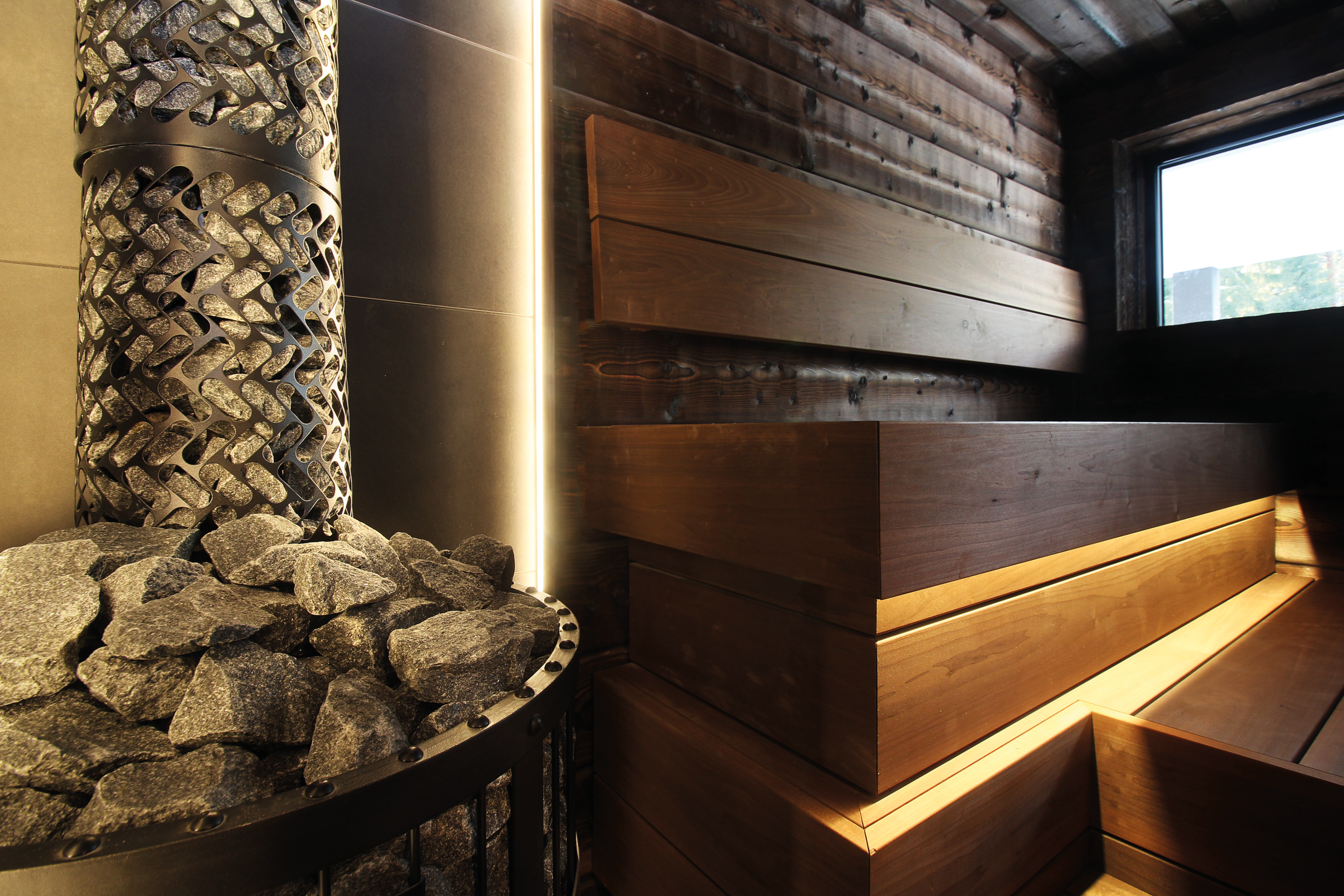
Wall textures and finishes: Installing LED tape near stone, brick, wood, or decorative wall panels creates grazing light. The illumination reveals surface variations, shadows, and textures that might otherwise go unnoticed.
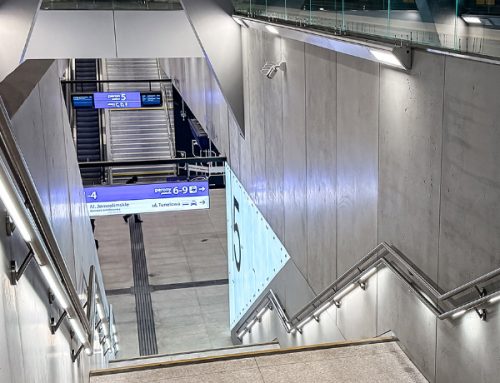
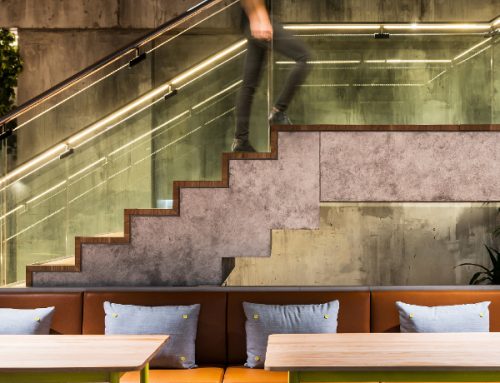
Staircase lighting: Hidden LED strips beneath stair nosings or within recessed wall channels define each step while providing functional guidance.
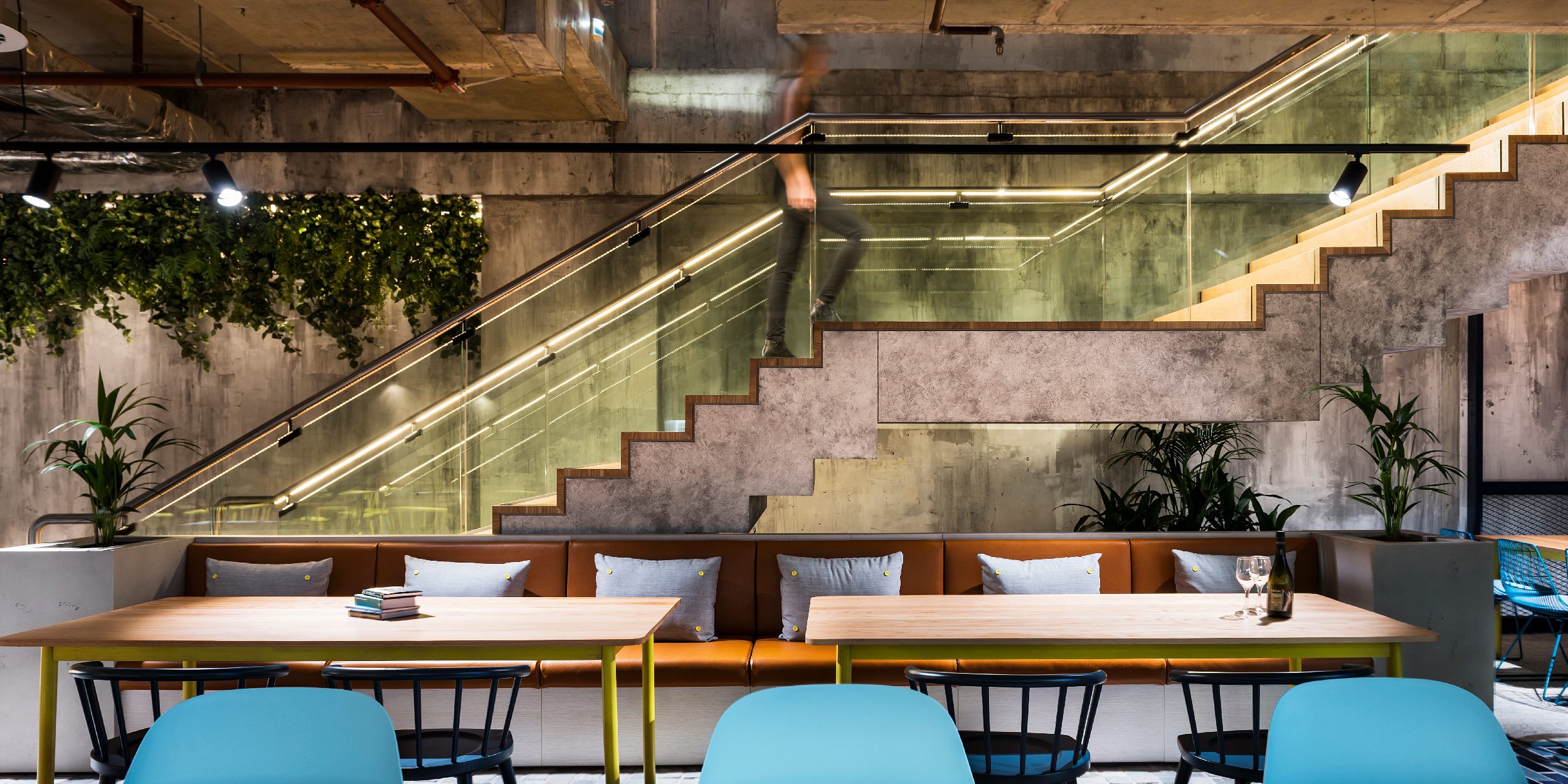
Display niches: Recessed LED tape inside niches, bookcases, and custom cabinetry creates focused illumination that makes displayed objects stand out.
Placement is especially important when highlighting textured surfaces. Light positioned close to a wall creates dramatic shadows, while increasing the distance produces a softer, more gradual wash.
Backlighting: Creating Depth with Indirect Illumination
Backlighting positions LED strips behind or around an architectural element, allowing illumination to appear as though it is emerging from the material itself.
Backlit mirrors: LED tape installed behind mirrors produces a soft halo around the perimeter, creating visual separation from the wall.
Translucent materials: Natural stone, acrylic, and glass can be illuminated from behind to emphasize their patterns and create striking architectural features.
Feature walls and panels: LED strips concealed behind decorative panels create a glowing perimeter that separates the feature from surrounding surfaces.
Architectural accents: Backlighting furniture, signage, and artwork creates contrast and definition without introducing visible fixtures.
Achieving an even appearance requires careful consideration of LED density, spacing, brightness, and diffusion. If the strip is too close to the illuminated surface, individual LED points may become visible. Aluminum extrusions with diffused lenses help distribute light more evenly.
Choosing the Right LED Tape and Extrusion Profile
Successful hidden lighting depends on selecting components that work together to deliver the desired brightness, appearance, and performance. When specifying a KLUS LED Tape Lighting system, consider these important factors:
LED density: The number of LEDs per meter influences how continuous the light appears. Higher-density strips help reduce visible gaps, particularly when the source is close to a reflective surface.
Color temperature: Choose a color temperature that complements the materials, finishes, and atmosphere of the space. Maintaining consistency across multiple LED runs is essential for uniform illumination.
Aluminum extrusion profiles: KLUS aluminum profiles provide a dedicated housing for LED tape while supporting heat management and protecting the components. Recessed, surface-mounted, and corner configurations offer flexibility for different architectural applications.
Diffuser selection: Diffused lenses soften the light and reduce visible LED points. The appropriate lens depends on the installation distance and desired light distribution.
Power and controls: Consider voltage, wattage, and run length when selecting power supplies to minimize voltage drop and maintain consistent brightness. Drivers and dimmers should also be specified together for reliable performance.
Planning Hidden LED Lighting for a Seamless Finish
The best hidden lighting installations are designed into the architecture from the beginning. Although LED tape is compact and adaptable, achieving a seamless appearance requires coordination between designers, architects, and installers.
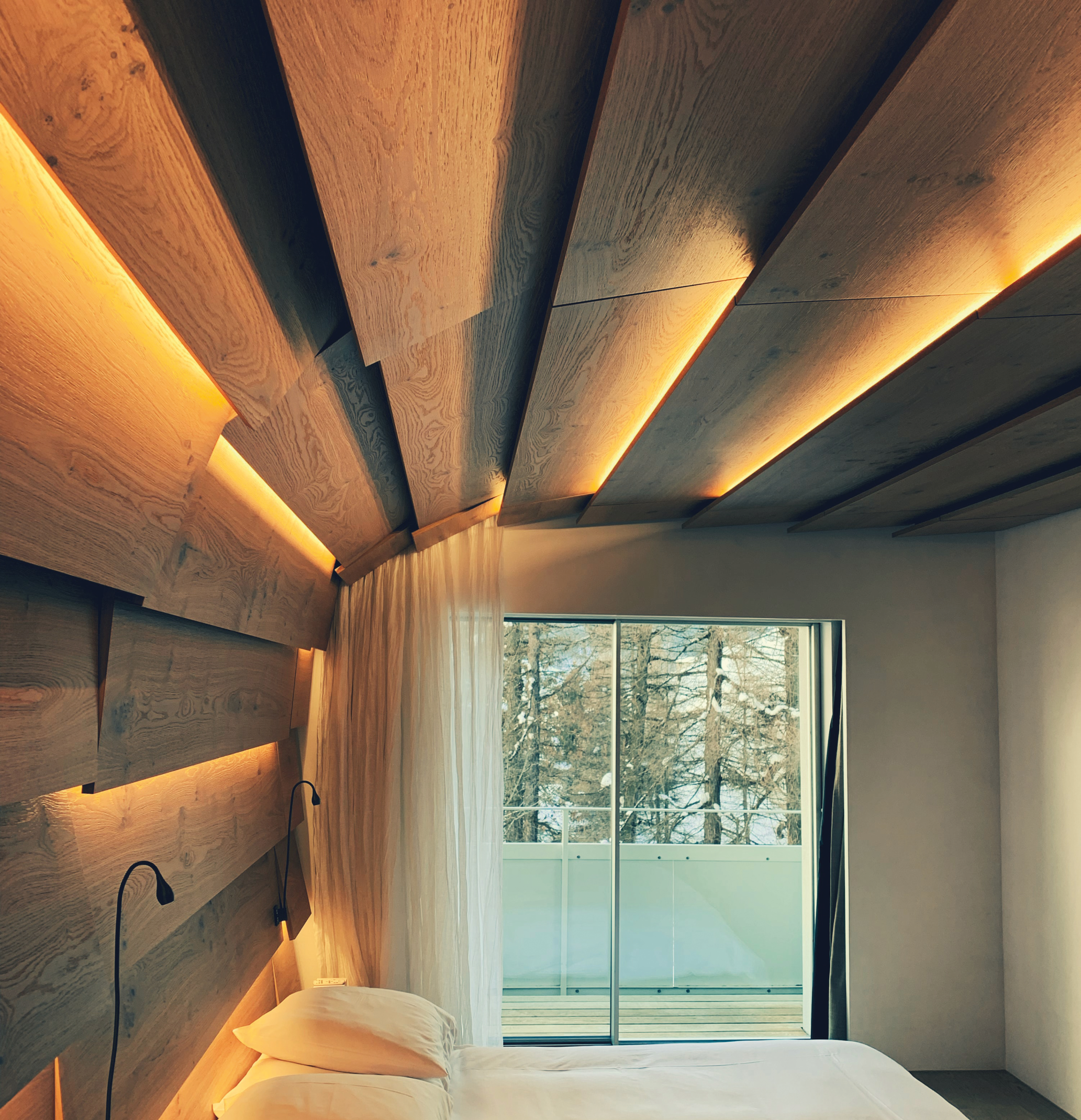
Before installation, consider the following:
- Define the lighting effect: Determine whether the goal is ambient illumination, accent lighting, grazing, backlighting, or a floating effect.
- Plan the installation: Identify where the LED tape and extrusion will sit and how light will interact with surrounding surfaces.
- Allow space for hardware: Account for extrusions, diffusers, wiring, and power supplies.
- Plan driver access: Keep drivers concealed but accessible for future maintenance.
- Coordinate controls: Confirm driver and dimmer compatibility for smooth, reliable dimming.
- Test the installation: Evaluate brightness, diffusion, and color temperature before completing the project.
Hidden LED tape lighting is most successful when the source disappears and the illumination becomes part of the architecture. Whether creating a floating vanity, highlighting a textured wall, illuminating shelving, or establishing a soft ceiling glow, KLUS LED Tape Lighting gives designers the flexibility to integrate light into virtually every part of a space.
With the right combination of LED tape, aluminum extrusion profiles, diffusers, and controls, lighting becomes more than a functional requirement. It becomes an architectural detail that adds depth, defines spaces, highlights materials, and creates memorable visual experiences.