The Power of LED Lighting in Architectural Design:
Shaping Spaces Through Light
Discover how LED lighting empowers architects and interior designers to define form, enhance materials, and transform the built environment.
Architecture is defined by more than structure, materials, and form. Light plays an equally essential role in shaping how spaces are experienced, influencing visual perception, spatial hierarchy, and atmosphere. As architectural practices embrace innovation, LED lighting has become an indispensable design element, allowing illumination to become an integral part of the architectural vision rather than a finishing touch.
From highlighting structural details to creating immersive interior environments, LED technology offers architects and interior designers the flexibility, efficiency, and creative freedom to transform concepts into compelling spaces.
1. Enhancing Architectural Form Through Integrated Lighting
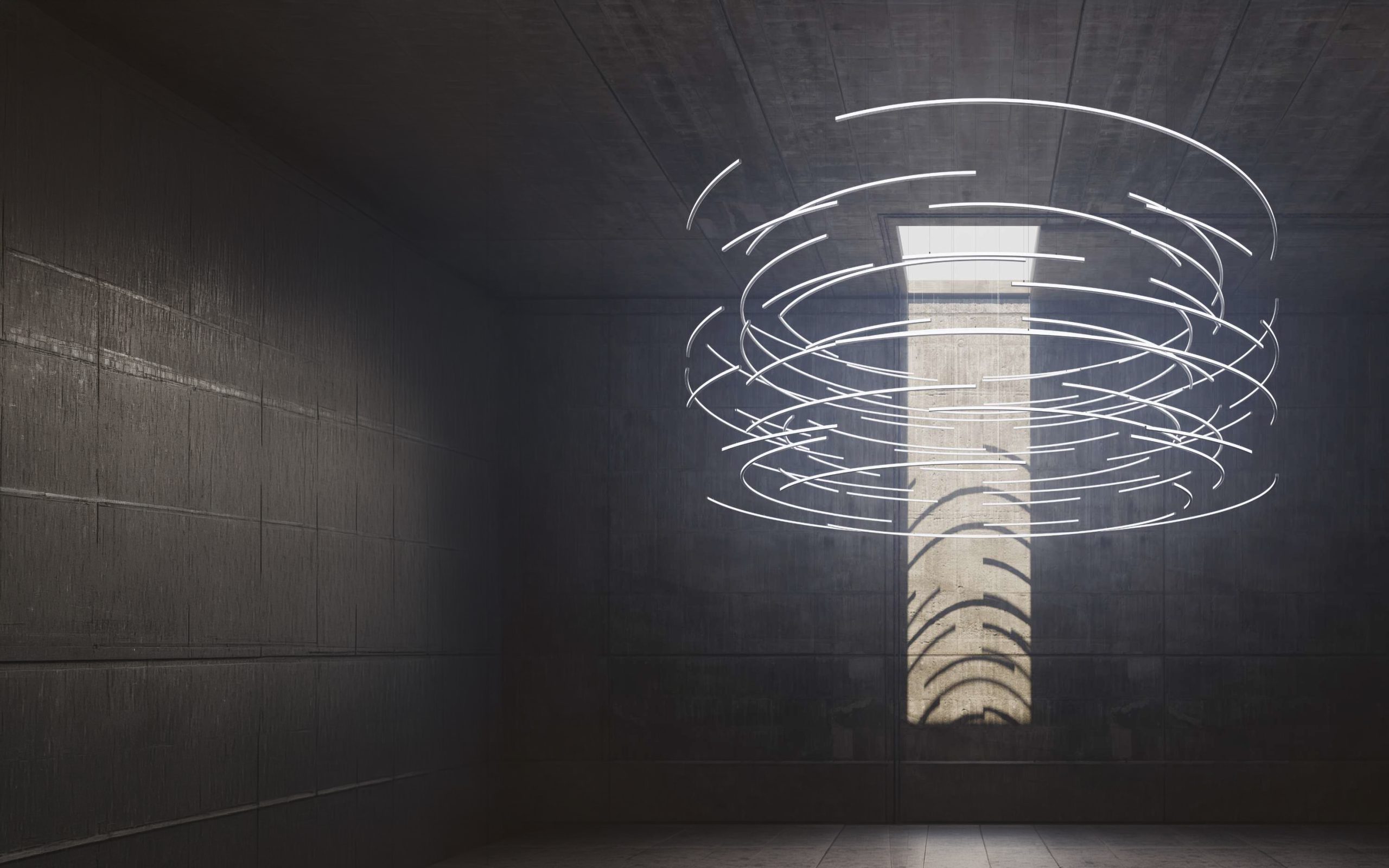
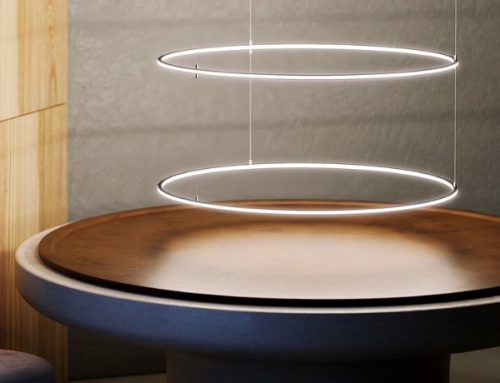
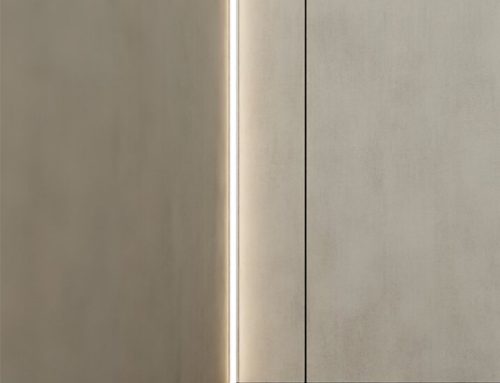
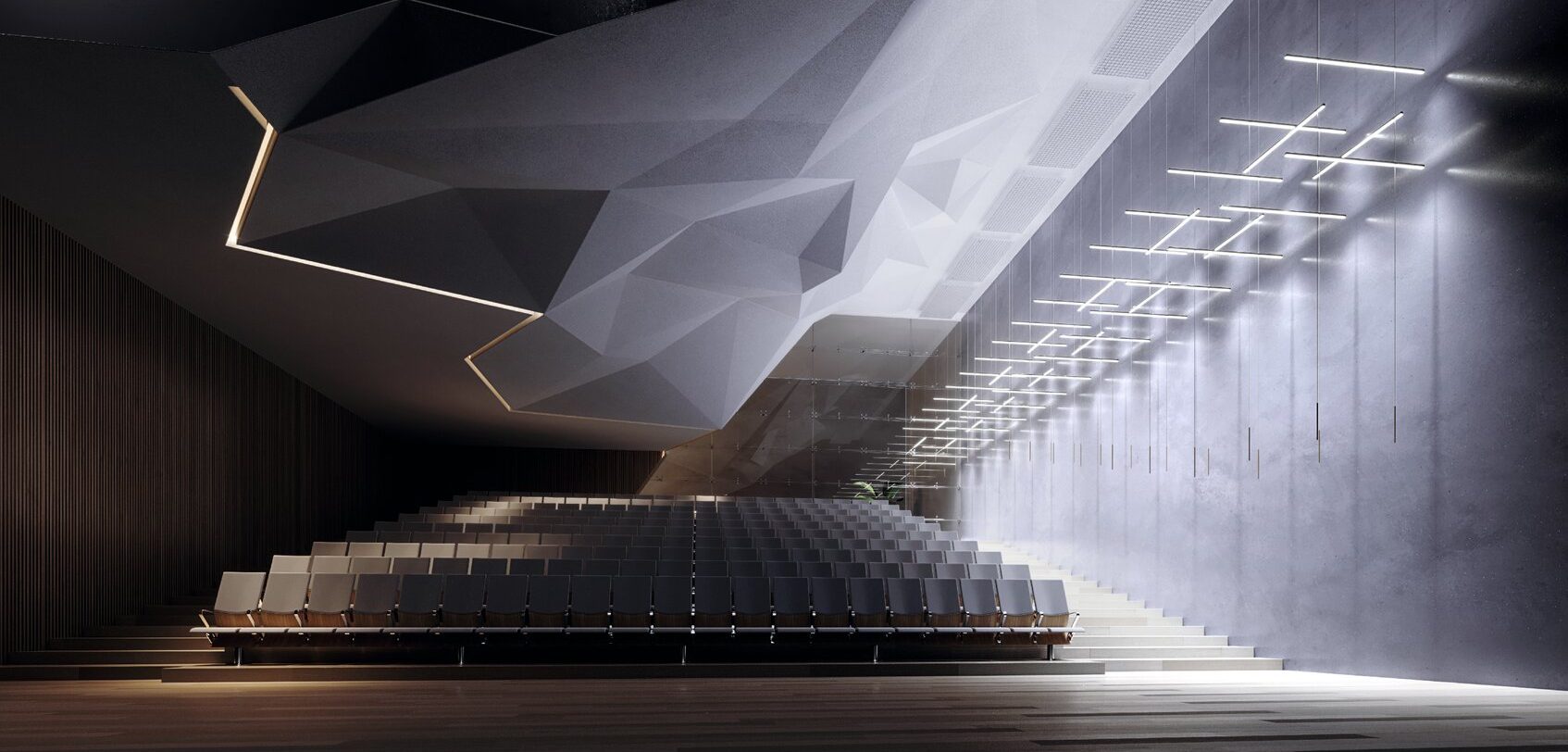
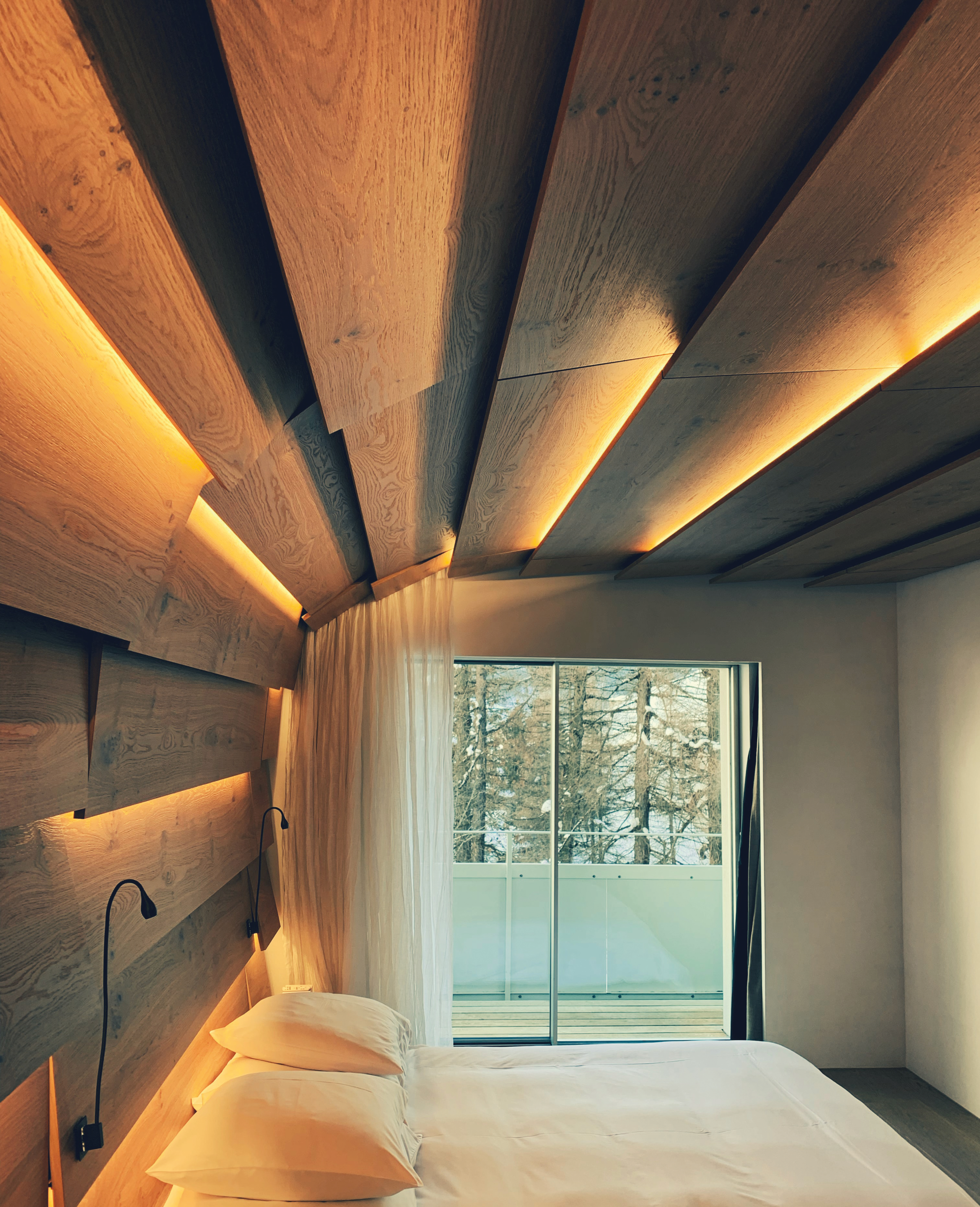
Light reveals the character of architecture. By integrating LED lighting into ceilings, walls, floors, and structural elements, designers can emphasize geometry and establish visual continuity throughout a space. Linear LED solutions are particularly effective for creating clean, uninterrupted lines that complement contemporary architecture. Recessed profiles, suspended fixtures, and concealed lighting channels can define circulation paths, emphasize ceiling transitions, and accentuate architectural edges without introducing visual clutter.
When thoughtfully integrated, lighting becomes an extension of the architecture,
reinforcing design intent and creating a cohesive visual language.
2. Accentuating Materials, Textures, and Architectural Details
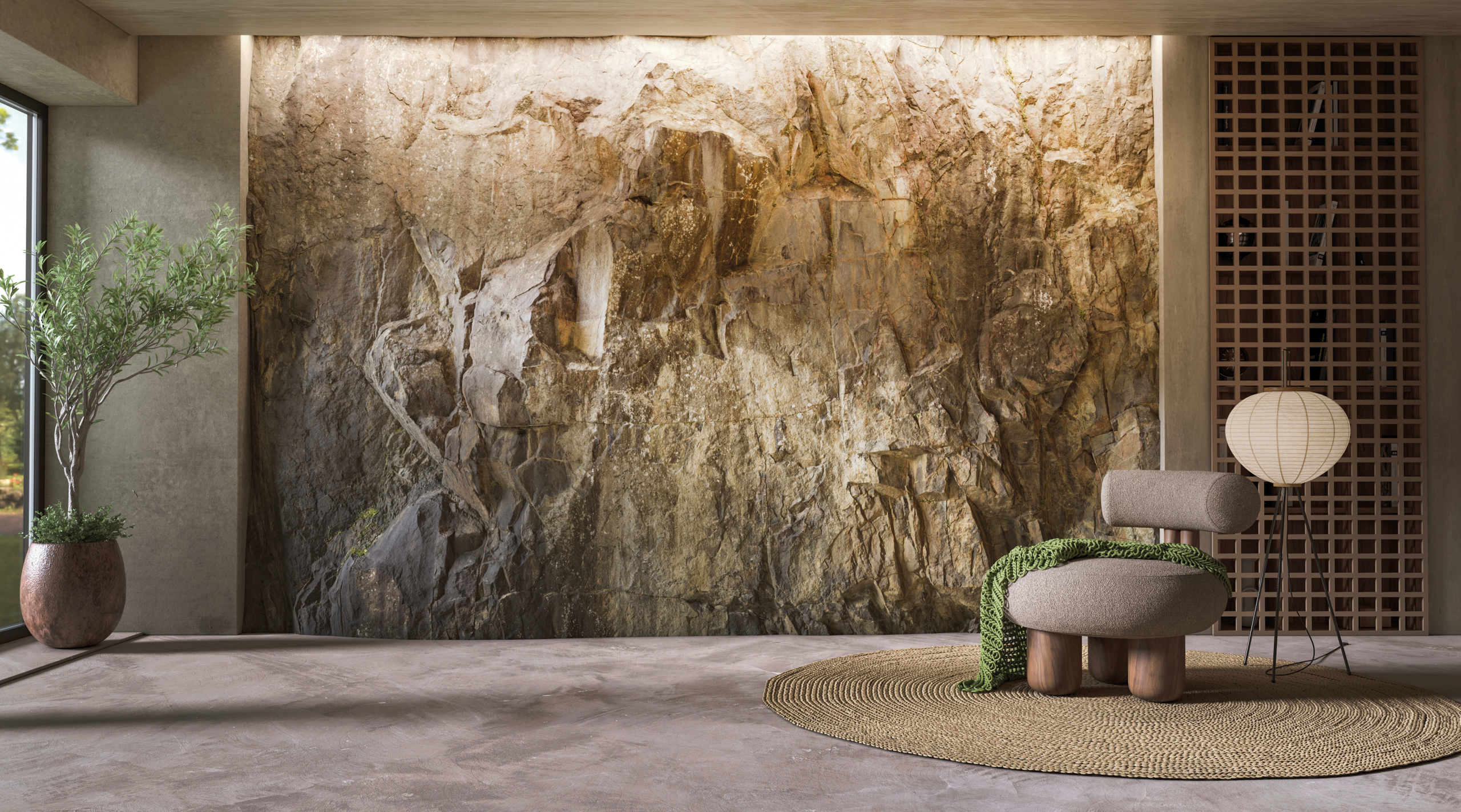
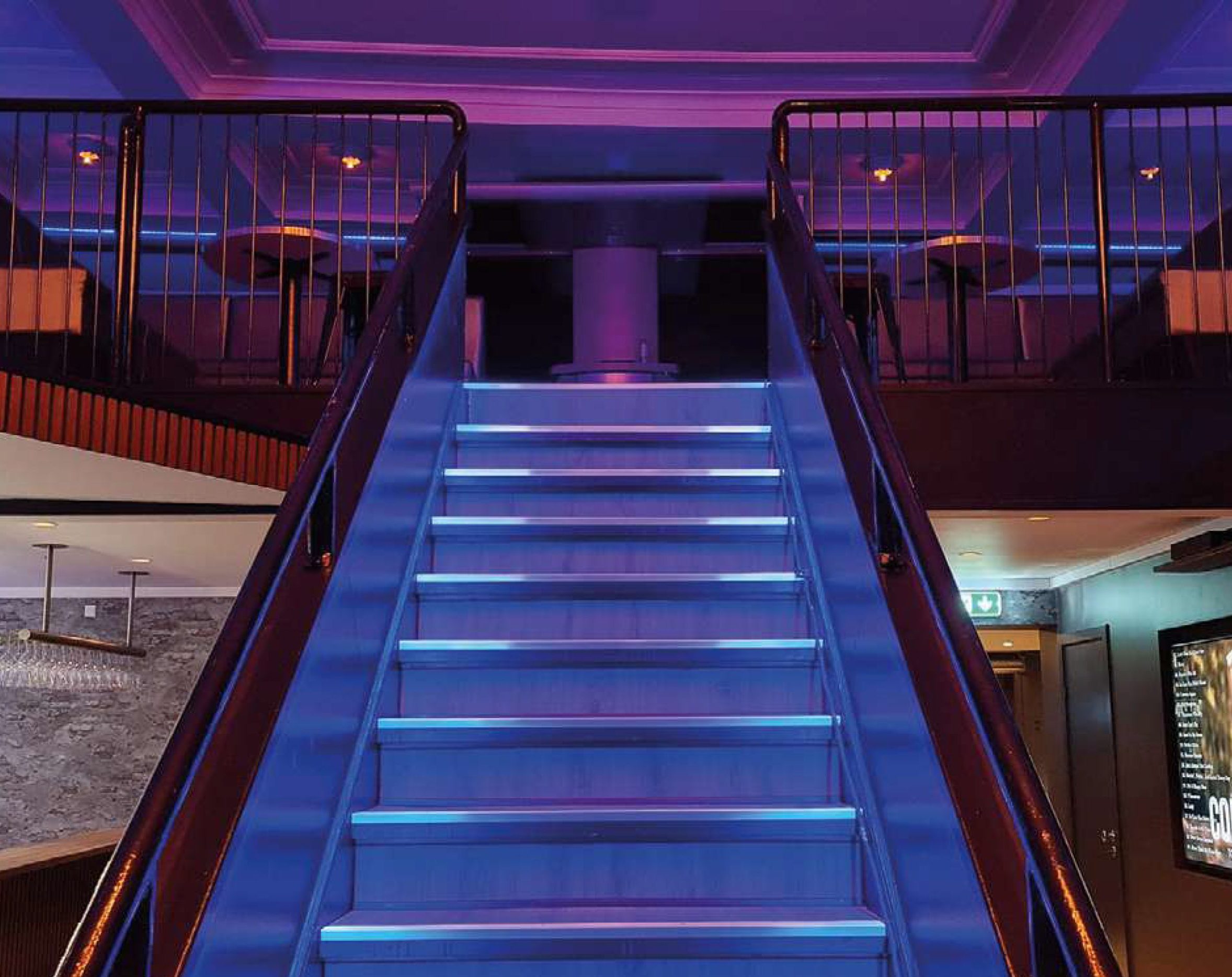
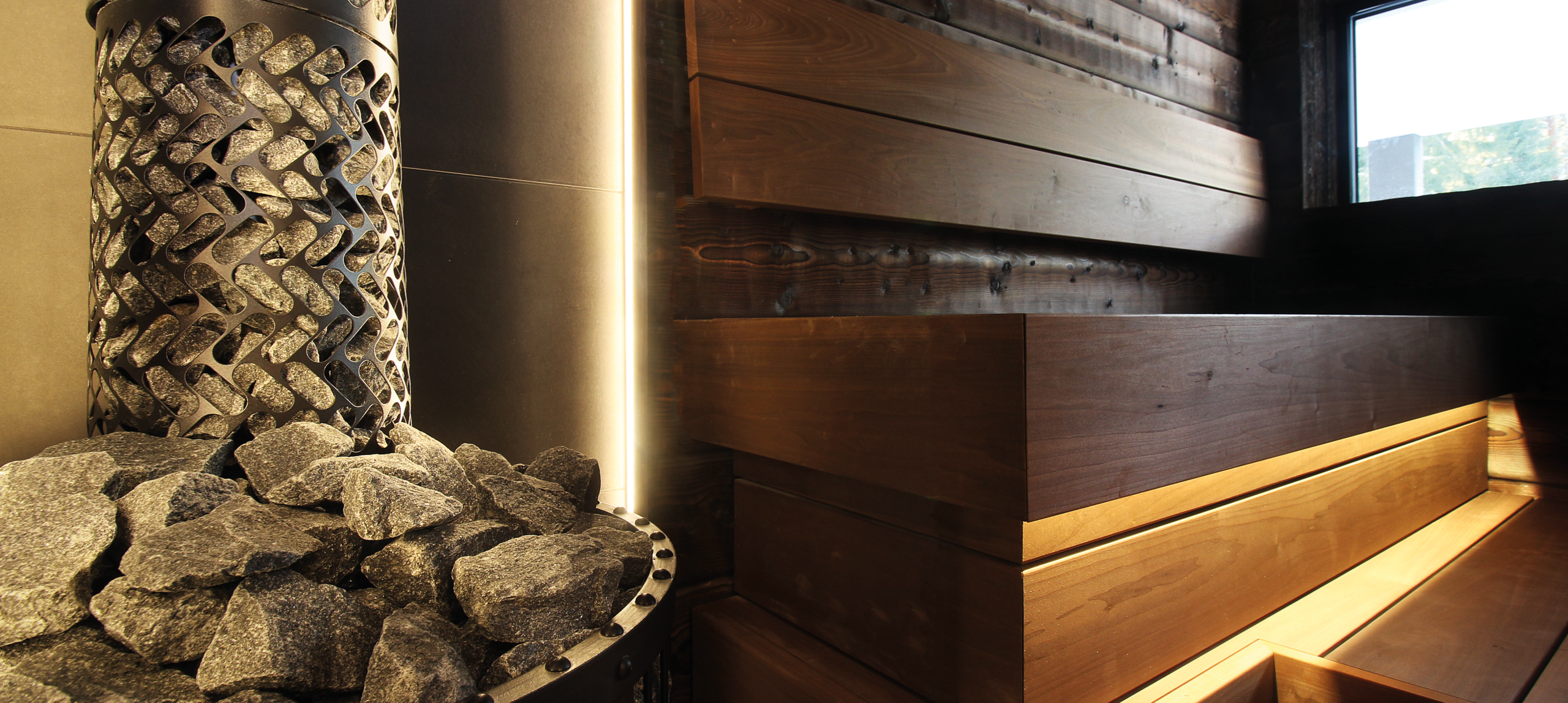
Materials communicate character, depth, and identity. From natural wood and textured stone to metal, glass, and exposed concrete, lighting dramatically influences how surfaces are perceived. LED lighting allows designers to control these interactions with precision. Grazing light reveals textures and shadows, concealed illumination emphasizes architectural recesses, and linear lighting adds dimension to cabinetry, wall panels, staircases, and custom millwork.
By considering light direction, intensity, and color temperature, architects can enhance material qualities and create visual interest without relying solely on decorative elements.
3. Unlocking Creative Freedom Through Customizable LED Solutions
Architectural concepts often require lighting solutions that extend beyond standard fixture configurations. Complex geometries, unconventional dimensions, and distinctive design details demand adaptable systems.
LED strip lighting and modular profiles offer flexibility for creating continuous linear compositions, following architectural contours, and integrating illumination into custom applications. Configurable profiles, diffusers, mounting options, and finishes further expand design possibilities.
Whether creating a subtle recessed glow or a distinctive suspended installation, customizable LED systems help translate creative concepts into practical solutions while maintaining a balance between aesthetics and technical performance.
4. Creating Atmosphere Through Color Temperature and Lighting Control
Effective architectural lighting is about more than brightness. The quality, distribution, and color of light influence how occupants perceive and experience a space. Warm white illumination can create inviting residential and hospitality environments, while neutral or cooler white light can support a clean, focused aesthetic in offices and commercial spaces.
Tunable white and color-changing LED systems provide additional flexibility, allowing illumination to adapt to different activities and design objectives. Combined with dimming and intelligent controls, these solutions help designers create layered lighting schemes that balance ambient, task, and accent illumination. The result is an environment that adapts to changing needs while maintaining its architectural identity.
5. Extending Architectural Lighting Outdoors
Exterior lighting reinforces a building’s identity while connecting architecture with its surrounding landscape. LED solutions can illuminate facades, canopies, entrances, walkways, terraces, and outdoor gathering areas. Linear lighting emphasizes architectural lines, while concealed illumination creates subtle floating effects beneath overhangs, steps, and structural projections.
Successful exterior applications require consideration of environmental exposure, appropriate product ratings, glare, and light spill. When carefully designed, exterior LED lighting enhances visibility, supports wayfinding, and extends a building’s visual impact after dark.
6. Supporting Sustainability and Long-Term Performance
Sustainability is an increasingly important consideration in architectural design. LED technology supports energy-conscious lighting strategies through high efficacy, extended service life, and compatibility with advanced controls.
Compared with traditional lighting technologies, LEDs can reduce energy consumption and maintenance requirements, depending on the application and products being replaced. Occupancy sensors, daylight harvesting, and dimming controls can further optimize energy use.
To maximize long-term performance, designers should evaluate fixture efficacy, thermal management, driver quality, color consistency, and maintenance accessibility. These considerations help balance design objectives with efficiency, durability, and lifecycle value.
7. Integrating Lighting Early in the Design Process
Incorporating LED lighting during the early stages of architectural planning allows designers to coordinate fixtures with structural elements, ceilings, millwork, electrical systems, and controls.
Early collaboration helps address profile dimensions, mounting methods, driver placement, wiring, and maintenance access before installation begins. Lighting studies and mockups also demonstrate how illumination interacts with materials and finishes, helping ensure the final result aligns with the original design vision.
Working with lighting manufacturers and technical specialists can further streamline specification and installation while supporting seamless architectural integration.
Designing the Future With KLUS
At KLUS, lighting is more than a source of illumination. It is an opportunity to shape architectural experiences, reveal design details, and bring creative concepts to life.
KLUS lighting systems provide architects, interior designers, and lighting professionals with opportunities to explore integrated linear illumination, customizable configurations, and solutions for diverse architectural applications. From subtle accent lighting to distinctive suspended installations, thoughtful lighting design can elevate both the function and visual identity of a space.
As LED technology evolves, the possibilities for architectural expression continue to expand. The most successful applications balance aesthetics, performance, functionality, and occupant experience. When lighting becomes an essential part of architecture, it does more than illuminate a building. It defines how the building is seen, experienced, and remembered.
Explore KLUS lighting solutions to discover new possibilities for your next architectural or interior design project.